
Confusing rules, missing parts, and poor design ruin gameplay, frustrate players, and hurt sales — understanding components solves these issues and builds better board games.
A complete board game includes game pieces, a board, rules, and accessories, all produced through a refined Board Game Manufacturing Process by manufacturers like HOBON.
Keep reading to uncover what makes a board game truly complete and successful.
What goes into making a board game?
Creating a board game is an intricate process that begins long before the first game piece is manufactured. It starts with conceptual design — defining game mechanics, objectives, themes, and user interaction. Once the design is solid, the Board Game Manufacturing Process moves into prototyping.
Board Game manufacturer HOBON, a trusted name in the industry, starts with small-scale sample production, using cardboard, wood, and plastic materials to refine the design. These prototypes help test gameplay balance and component quality.
After successful testing, HOBON transitions into full production. This includes designing and producing the game board, game pieces (like pawns, dice, cards, tokens), instruction manuals, and packaging. Precision printing, die-cutting, and injection molding are used to create durable and visually appealing components. Final quality checks ensure every unit meets standards.
From idea to shelf, the process demands creativity, technical skill, and coordination between designers, engineers, and manufacturers. A well-executed Board Game Manufacturing Process ensures consistency, reliability, and an engaging experience for players.
Which board game has the best game pieces?
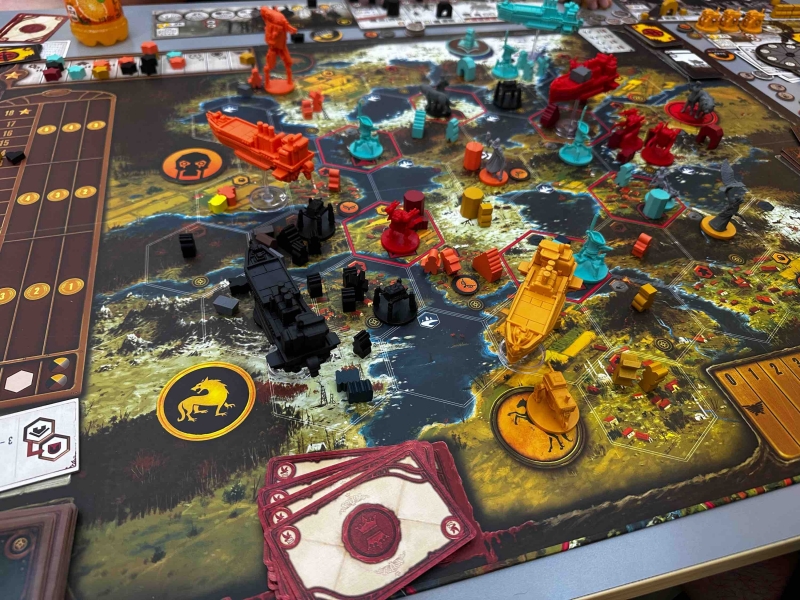
Some board games are legendary not just for gameplay but for their exquisite game pieces. Among one of the best is Scythe, known for its highly detailed miniatures and beautifully crafted resources. Each component is carefully molded and painted, offering both durability and aesthetic value. The coins, tokens, and miniature mechs elevate the gaming experience.
Another standout is Gloomhaven, praised for its extensive and diverse set of game pieces. It includes hundreds of tokens, custom cards, and scenario-based elements, making it immersive and replayable.
Board Game manufacturer HOBON emphasizes the importance of quality game pieces. Their advanced molding and printing techniques ensure sharp details, weighty feel, and vibrant colors. Whether it’s wooden tokens, resin miniatures, or plastic pawns, great game pieces enhance tactile engagement, contribute to thematic immersion, and boost overall enjoyment.
High-quality pieces are more than just functional — they become part of the player’s emotional connection with the game, increasing perceived value and replay appeal.
What is the standard size of a board game?
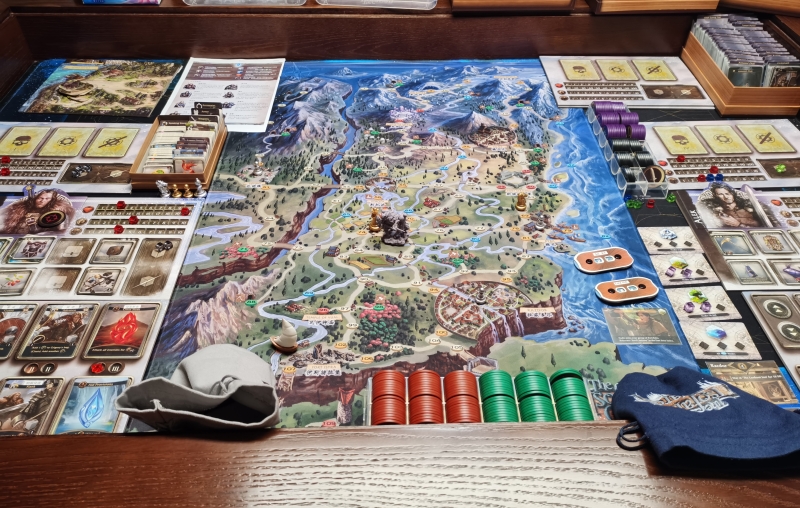
Board game sizes vary depending on design, complexity, and market preferences, but there are standard dimensions that many publishers and manufacturers, including HOBON, follow.
A typical board game box measures 12 x 12 x 3 inches. This format accommodates a folded game board (usually 20 x 20 inches when open), instruction booklet, and game pieces in compartments or inserts. It’s a convenient size for shelving, shipping, and stacking.
Some compact games use boxes as small as 5 x 7 inches, especially card games or travel versions. Deluxe games like Twilight Imperium or Gloomhaven can exceed 16 x 12 x 6 inches, especially if they contain numerous game pieces or expansions.
HOBON, as a leading Board Game manufacturer, works with publishers to optimize size based on gameplay needs, packaging standards, and retail logistics. They ensure the box not only fits its contents securely but also presents attractively on store shelves.
Box and board dimensions are vital parts of the Board Game Manufacturing Process, balancing form, function, and visual impact.
Why do most board games use dice?
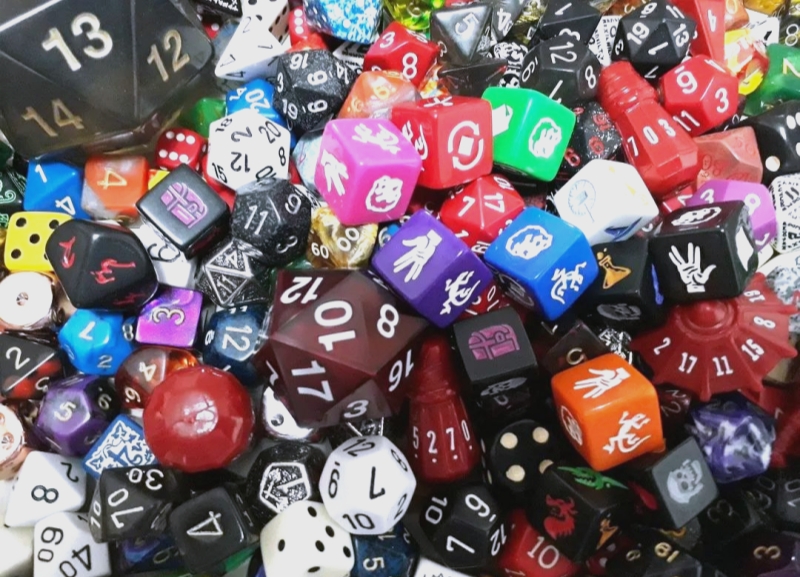
Dice are a staple in most board games because they introduce an essential element of randomness and chance. They create suspense, variability, and excitement — key ingredients in keeping players engaged.
Standard six-sided dice are most common due to their simplicity and familiarity, but modern games often use custom dice to align with thematic or mechanical needs. For example, King of Tokyo uses symbol-based dice that correspond to game actions, while Dungeons & Dragons uses a full polyhedral set (D4–D20) to reflect complex outcomes.
HOBON’s manufacturing facilities are equipped to produce custom dice using resin or plastic, engraved or printed with unique symbols, icons, or colors. Their precision-molding process ensures balance and fairness in every roll.
Beyond randomness, dice also serve as tactile and visual cues. They allow quick decision-making and reduce cognitive load, making board games accessible to a wider audience. Their inclusion is both a gameplay decision and a design standard in the Board Game Manufacturing Process.
Game designers and manufacturers alike rely on the versatility of dice to enhance both mechanics and player satisfaction.
Conclusion
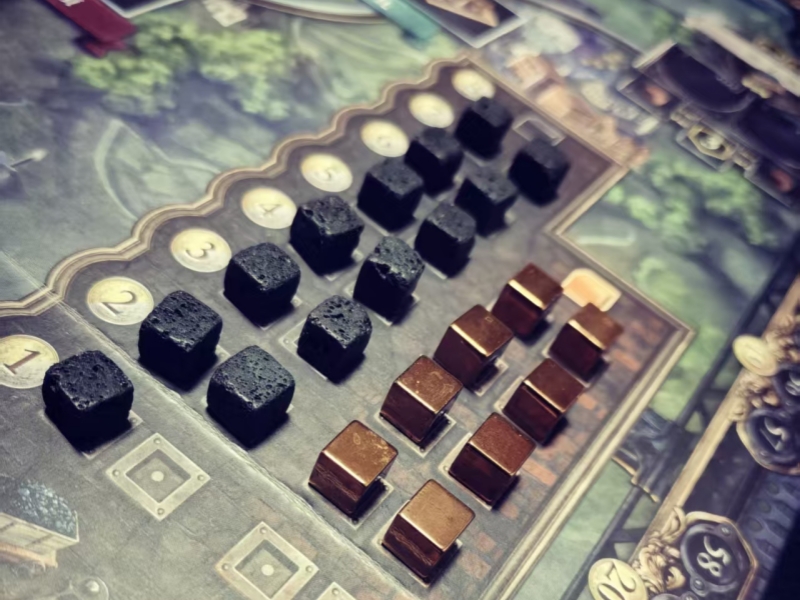
Great board games rely on expert design, premium game pieces, and top-tier production from manufacturers like HOBON.
About Hobon Printing
Established in 1995, the predecessor of Hobon is Weidong Arts and Crafts Factory, which mainly produces decal paper for ceramics, wood products and so on. With the development of The Times, Hobon Printing Brush continues to introduce new equipment and technology, products also cover board games, puzzles, cards, paper packaging, etc., to become a comprehensive printing enterprise.For inquiries, collaborations, or customer support, feel free to contact the team at service@hobonprinting.com